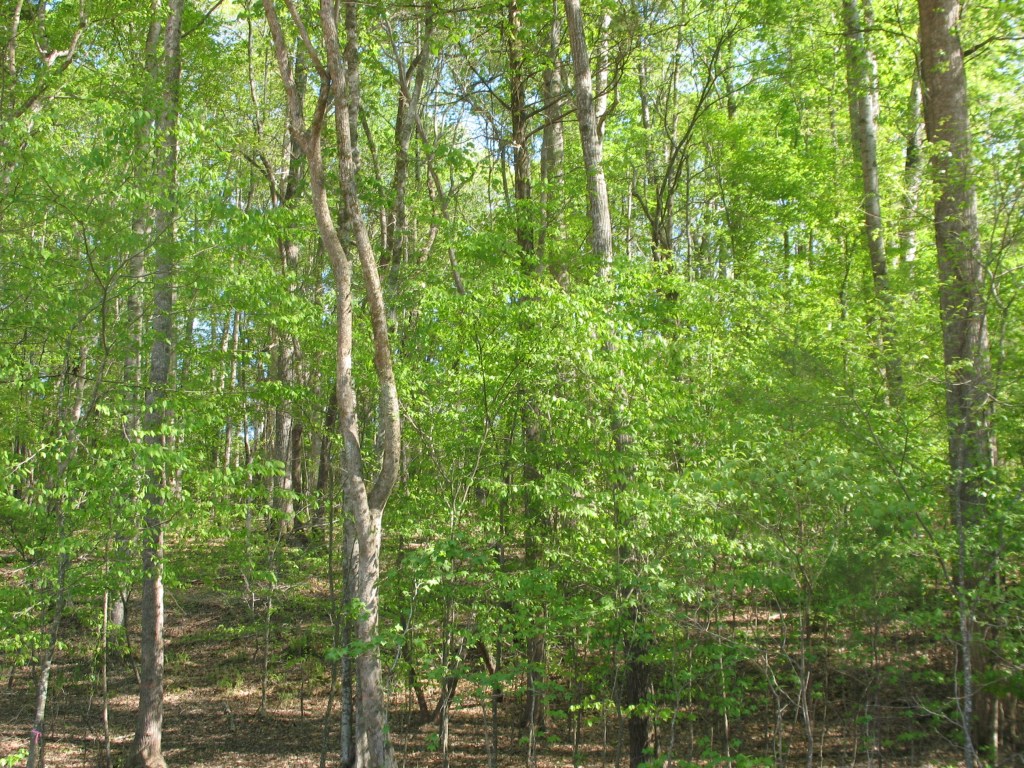
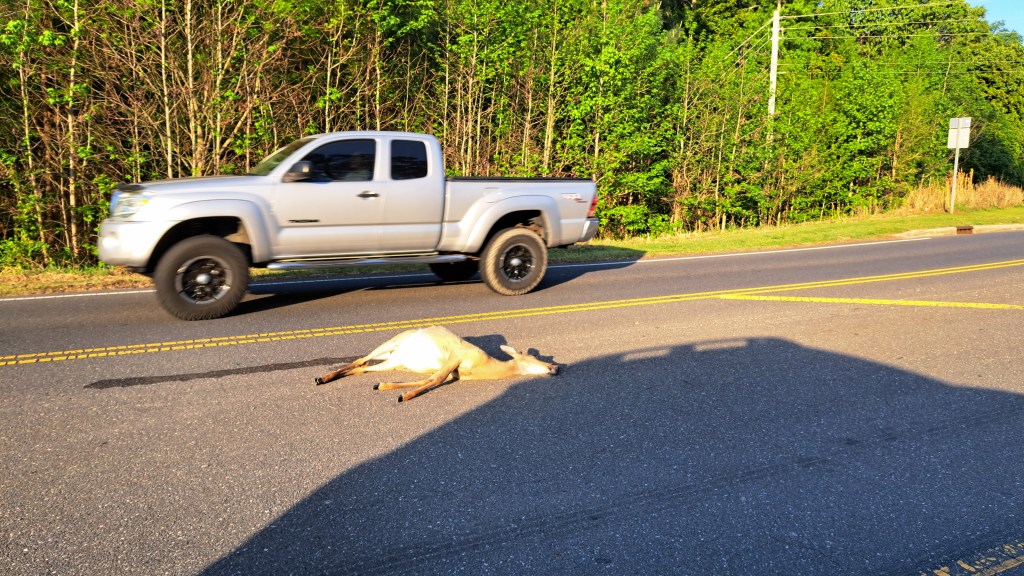
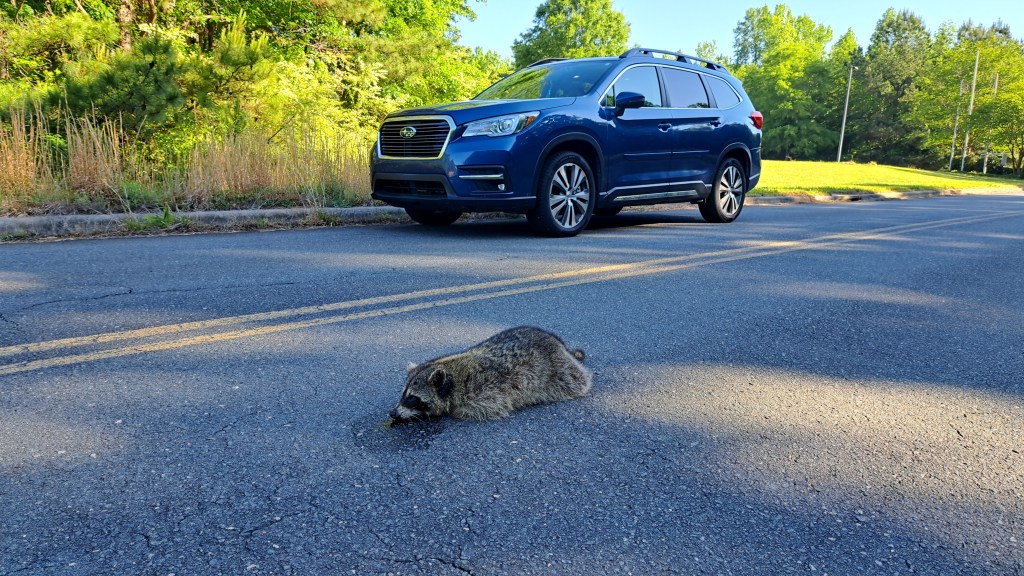
Nature and its vital contributions to people, which together embody biodiversity and ecosystem functions and services, are deteriorating worldwide.
– Plenary of the Intergovernmental Science-Policy Platform on Biodiversity and Ecosystem Services, United Nations, 2019
Our Mission
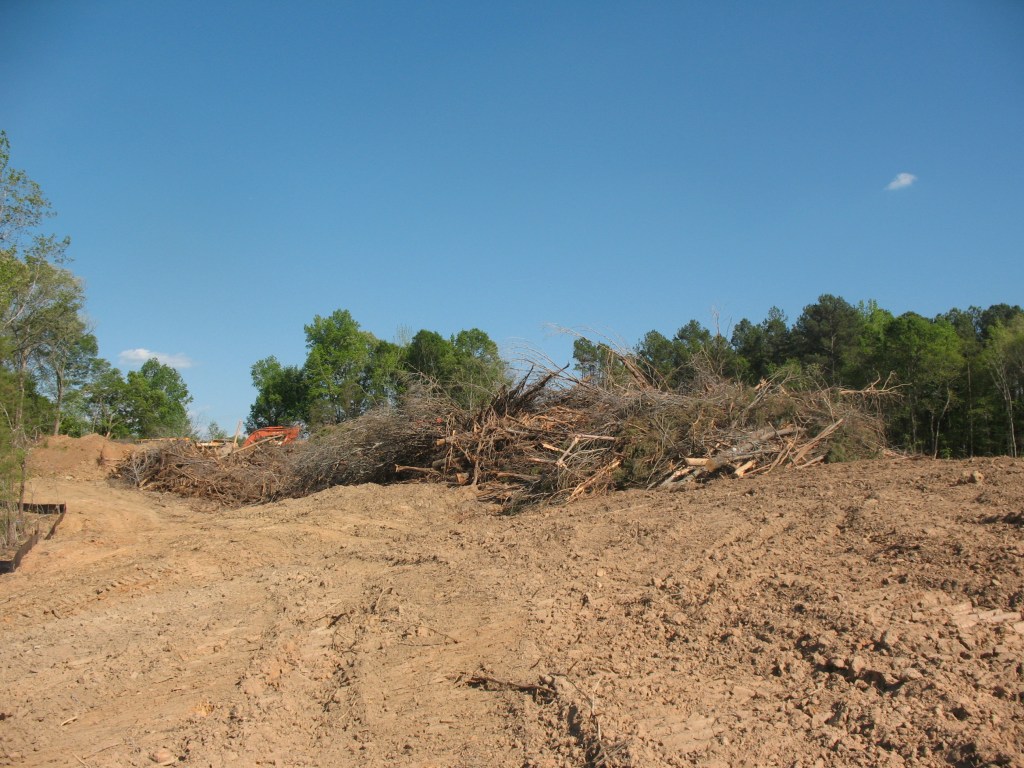
Land conversion and fragmentation for agriculture and development since the 1970’s are key drivers of the decline of the natural world today. The deterioration of biological diversity and ecosystem services is projected to continue and worsen without immediate and significant increases in land conservation, posing serious risks for human well-being and the existence of all life on our planet.
There is still undeveloped land available to enlarge and connect existing protected areas, and the time to acquire land critical for the conservation of Nature is now, before those lands are developed. Once land is developed, functioning natural systems are very difficult to restore, and in most cases cannot be restored at all.
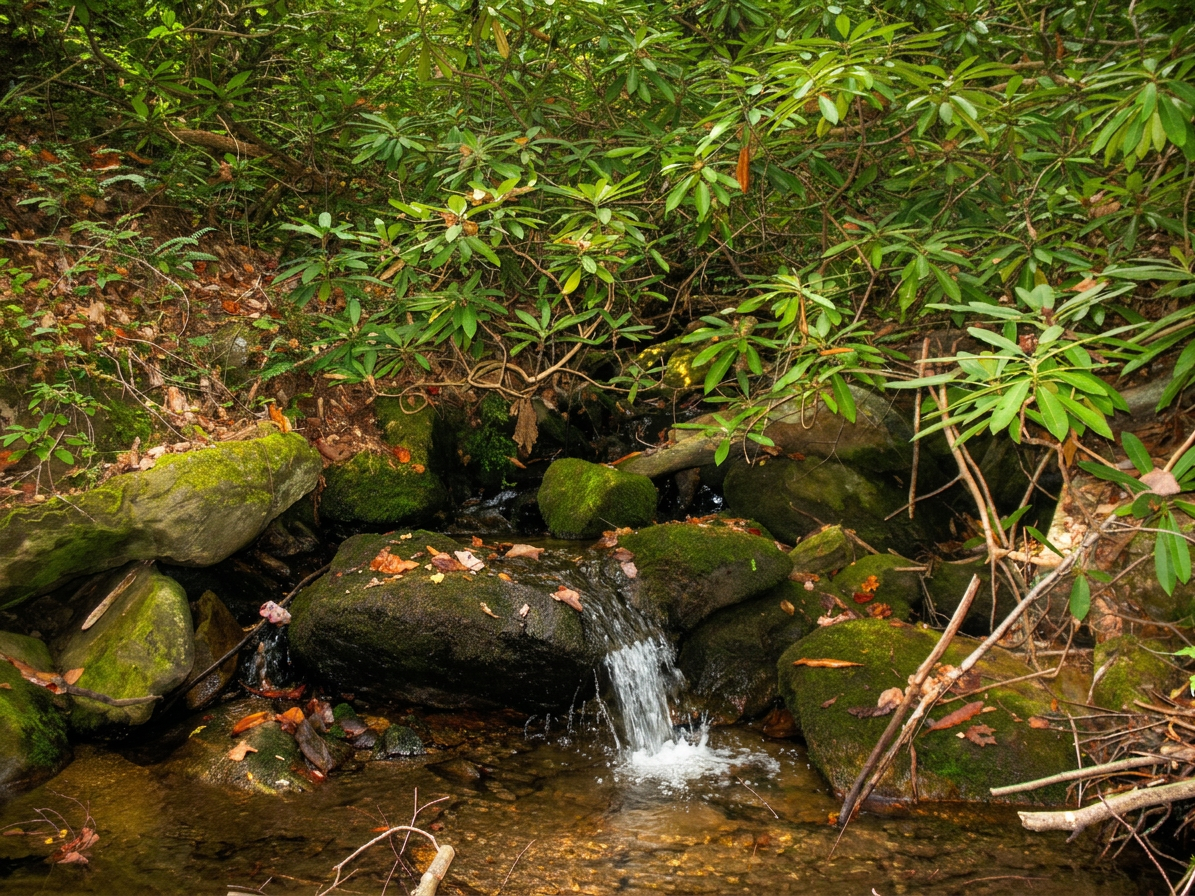
Our mission is to acquire land for the long-term persistence of biological diversity and ecosystem services in the temperate deciduous forest ecoregion of the southeastern United States.
Our goals are to:
- increase the size of existing nature preserves
- connect existing protected areas, and
- create refugia for wildlife and plants
Our Vision
- 30% to 50% of the land area across our service area is protected from development in a connected network from the Atlantic Ocean to the Appalachian Mountains.
- Increased private-sector funding for conservation land acquisitions.
- Strong partnerships with landowners, real estate professionals, government agencies, conservation groups, and private citizens with a shared goal of preserving biological diversity and ecosystem services for the future.
- Faster land conservation response time so that when critical conservation lands are available for purchase, we can act quickly to acquire them.
Land protection efforts by governments and land conservation organizations have been outmatched by the powerful forces driving land conversion and development. Conservation science has provided the tools to meet this challenge; the only impediment is the lack of financial resources. Nature needs us now to preserve systems that are precious and irreplaceable. Every contribution helps.
Propelled by imperialism, extractive capitalism, and a surging population, we are speeding past Earth’s material limits, destroying critical ecosystems, and triggering irreversible changes in the biophysical systems that underpin the Holocene climactic stability which fostered human civilization.
– Fletcher, C. et al. 2024. Earth at risk: An urgent call to end the age of destruction and forge a just and sustainable future. PNAS Nexus 3:1-20.